
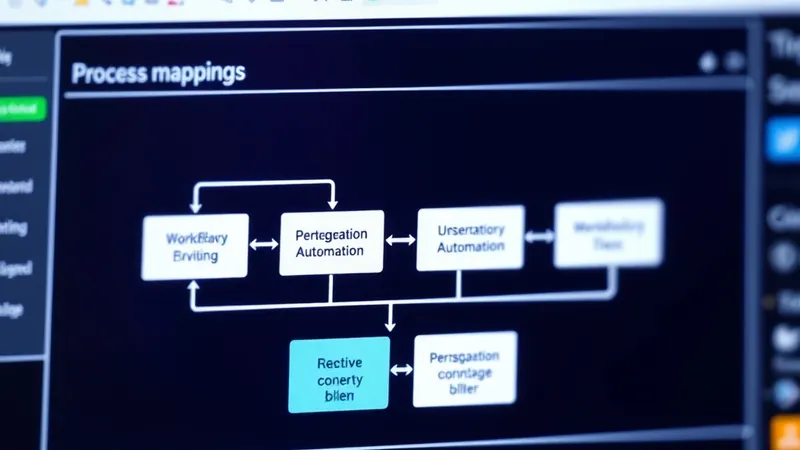
To streamline business operations, start by mapping your workflows. Identify bottlenecks using tools like Kanban boards or process mining software. For example, a manufacturing firm reduced lead times by 30% by visualizing each step in production. Next, automate repetitive tasks with software like Zapier or UiPath. A logistics company saved 200 labor hours monthly by automating invoicing and inventory updates. Prioritize automation where it delivers the highest ROI—focus on high-volume, low-complexity tasks first.
Standardize processes across departments to eliminate inconsistencies. Create SOPs (Standard Operating Procedures) with clear guidelines and measurable KPIs. For instance, a healthcare provider standardized patient intake forms, reducing errors by 40%. Use dashboards like Tableau or Power BI to track performance in real-time. A retail chain cut operational costs by 15% by monitoring store-level metrics daily. Ensure employees receive training to adhere to these standards, fostering accountability.
Key Insights
Leverage technology to integrate systems and reduce silos. Cloud-based ERP solutions like SAP or Oracle unify finance, HR, and supply chain data, improving collaboration. A tech startup reduced reporting errors by 50% after migrating to a centralized ERP. Implement APIs to connect disparate tools, such as CRM and inventory software, ensuring seamless data flow. For example, a SaaS company automated customer onboarding by linking its CRM to billing systems, cutting manual data entry by 60%.
Great business strategy is built on solid fundamentals. This guide provides practical information to help you grow.
Related: Digital Marketing Strategies That Drive Real Business Growth · Financial Planning Fundamentals Every Small Business Needs
Actionable Steps
Continuously refine operations through data-driven feedback. Conduct regular audits and gather employee insights to identify inefficiencies. A logistics firm improved route efficiency by 25% after analyzing driver feedback and GPS data. Benchmark against industry leaders to set stretch goals—for instance, a call center reduced average handle time by 30% by adopting best practices from top performers. Invest in employee upskilling to adapt to process changes, ensuring long-term efficiency gains.